

-
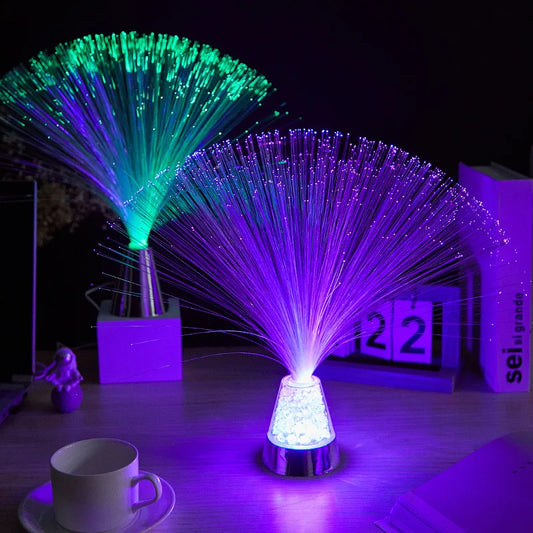
Fiber Optic Sensory Lamp – Color-Changing Starry Night Light
Regular price $15.99Regular price -
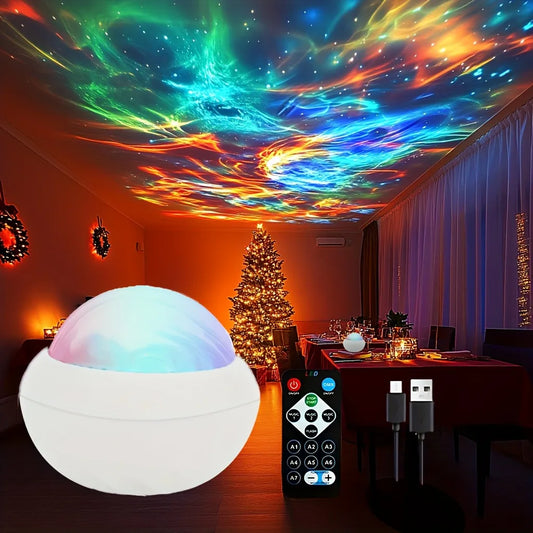
Ocean Wave & Nebula Projector – Water Ripple Light with Remote
Regular price $26.99Regular price -
Northern Lights Projector – Aurora Galaxy Vortex Night Light
Regular price $11.99Regular price -
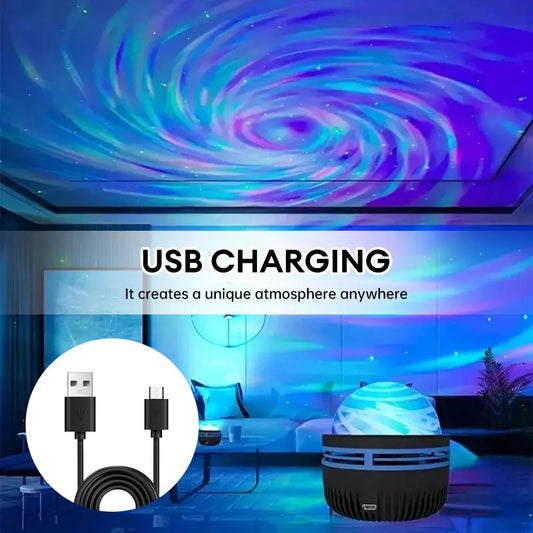
Ocean Wave Projector – USB Water Ripple & Star Night Light
Regular price From $9.99Regular price -
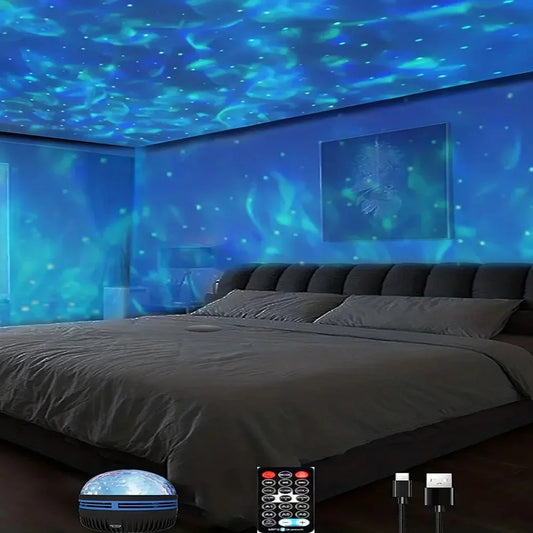
Aurora Star Projector – Rotating Northern Lights USB Night Light
Regular price From $13.99Regular price





Choosing a sensory light projector for a calm space
Good sensory lighting comes down to control. The goal is a space where light is soft, movement is slow and predictable, and the person using the room can make it brighter or calmer as they need. A sensory projector is often the centerpiece because it changes the feel of a whole ceiling or wall without adding anything to trip over.
What makes a projector sensory-friendly
- Slow, smooth motion. Gently turning stars, ocean ripples and aurora waves are easier to watch than fast color jumps.
- Steady color options. Being able to hold one color, rather than cycling, helps people who are sensitive to change.
- Brightness control so the light can go down low.
- Quiet operation. Rotating projectors use a small motor, so listen for hum if the room will be very quiet.
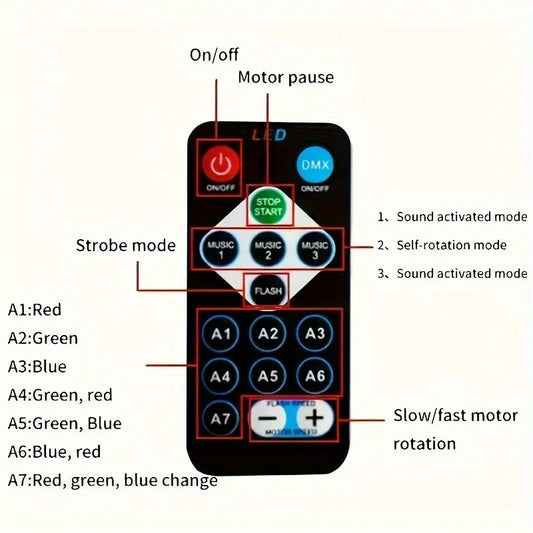
- Easy controls, ideally a remote that an adult or the user can operate without handling the unit.
Avoid strobe and rapid flashing modes in a calm space, and skip them entirely for anyone with photosensitivity.
Where sensory lights work best
Classroom calm-down corners, sensory rooms, bedrooms for kids who find bedtime hard and quiet spaces for adults who want to decompress after work all need the same things: dim light and gentle movement. Many people find ocean effects especially soothing, so browse our ocean wave projectors and nebula lights. The aurora projectors add slow, flowing color, and our kids' star projectors suit bedrooms and nurseries. We also wrote about building sensory-friendly spaces with projectors on our blog.
Building the rest of the room
A projector works best as one part of a space rather than the whole thing. Add a beanbag or floor cushions, blackout curtains or a small tent to create a darker pocket, and a few tactile items within reach. A soft moon lamp on a low setting gives just enough light to move around safely. Keep cords tucked along the wall and set the projector on a stable, high surface.
Frequently asked questions
What is a sensory light projector?
It's a projector chosen for calm, slow visual effects, such as moving stars, water ripples or aurora bands, that help create a soothing environment in a sensory room, classroom or bedroom.
Can a sensory projector help a child wind down?
Many families find that a dim, slowly moving light gives a child something calm to focus on, and it can become a helpful part of a bedtime or calm-down routine. Every child is different, so start with the lowest brightness and slowest setting and watch how they respond. A projector isn't a substitute for advice from your child's doctor or therapist.
How dark does a sensory room need to be?
Dark enough that the projection is clearly visible, but not so dark that anyone feels uneasy. Blackout curtains plus a low lamp usually strike the right balance.
Can I use a sensory light projector in a classroom?
Yes. A projector aimed at the ceiling above a reading or calm-down corner works well. Choose one with a remote, secure the cord along the wall and set it on a shelf out of reach.