

-
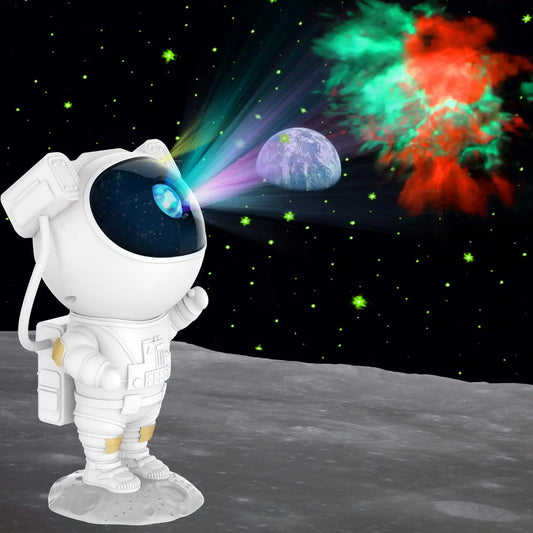
Astronaut Starry Sky Projector – Standing Spaceman Galaxy Light with Remote
Regular price $39.99Regular price -
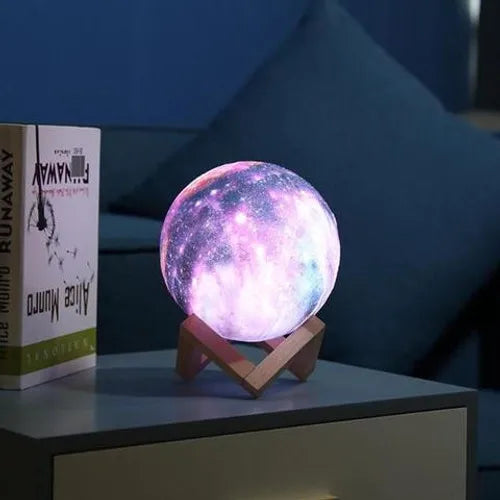
Galaxy Moon Lamp – 3D Printed Moon Night Light with Remote
Regular price From $36.99Regular price -
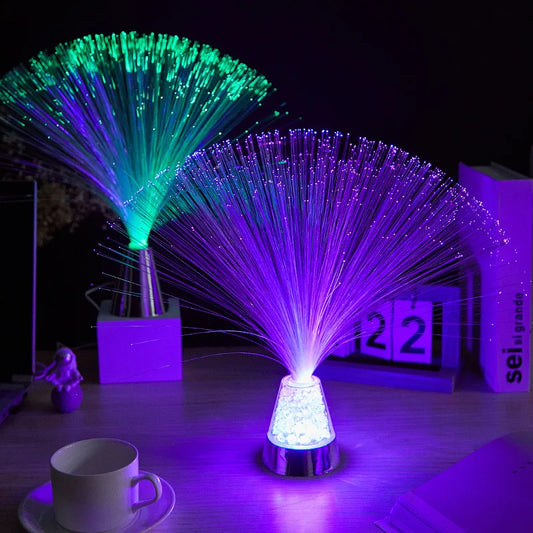
Fiber Optic Sensory Lamp – Color-Changing Starry Night Light
Regular price $15.99Regular price -
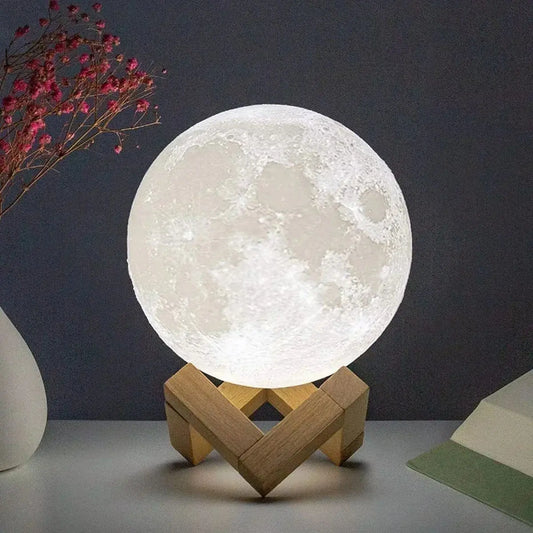
3D Moon Lamp – Mini Battery Moon Night Light with Stand
Regular price From $9.99Regular price -
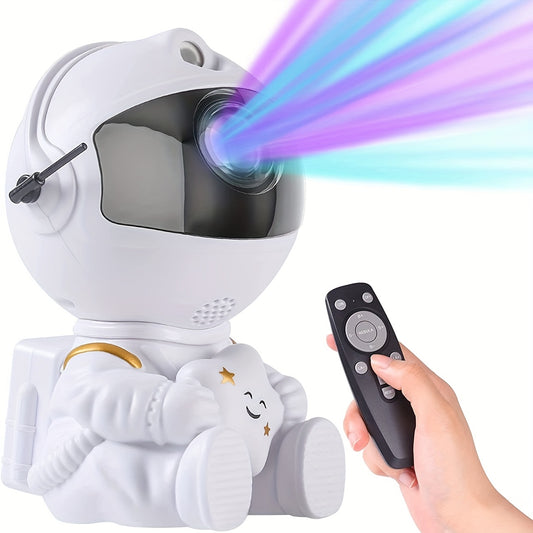
Astronaut Galaxy Light Projector – Kids' Space Night Light
Regular price $32.99Regular price -
Starry Night Light Projector – Rotating Star & Water Ripple Lamp
Regular price From $9.99Regular price -
Astronaut Galaxy Projector – Star & Nebula Night Light with Remote
Regular price From $28.99Regular price -
Sitting Astronaut Projector – Adjustable Nebula & Star Night Light
Regular price From $35.99Regular price -
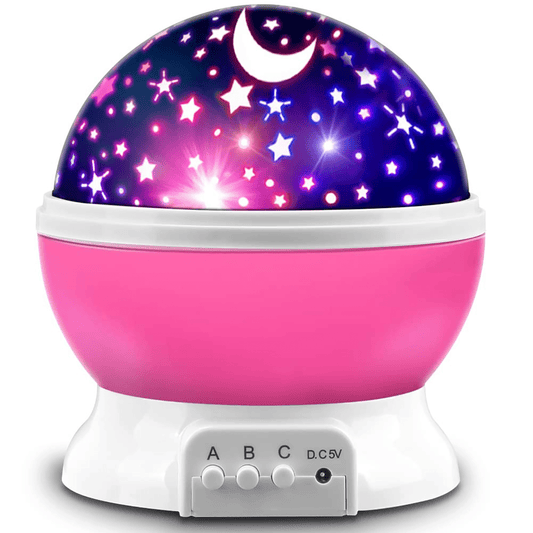
Rotating Star & Moon Projector Night Light for Kids
Regular price $21.99Regular price -
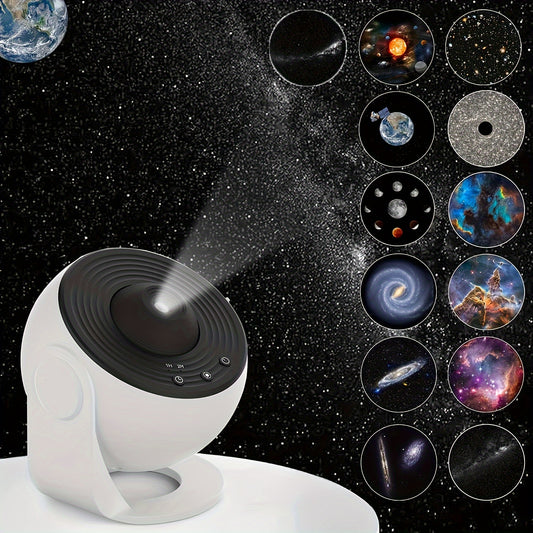
Planetarium Star Projector with 12 Discs – Real Constellations & Planets
Regular price $49.99Regular price -
Astronaut Nebula Projector – Sitting Spaceman Galaxy Night Light
Regular price $33.99Regular price





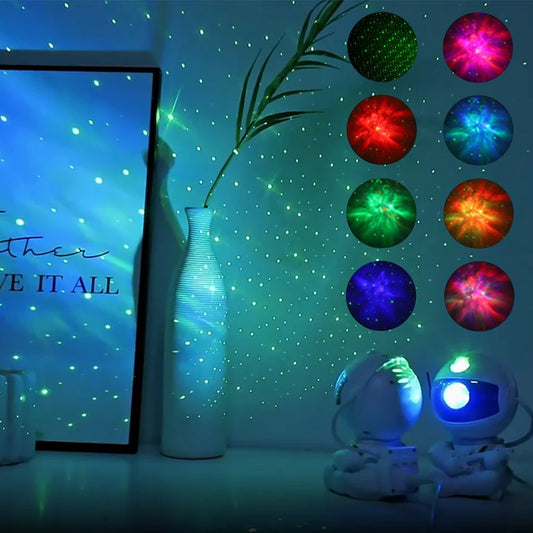

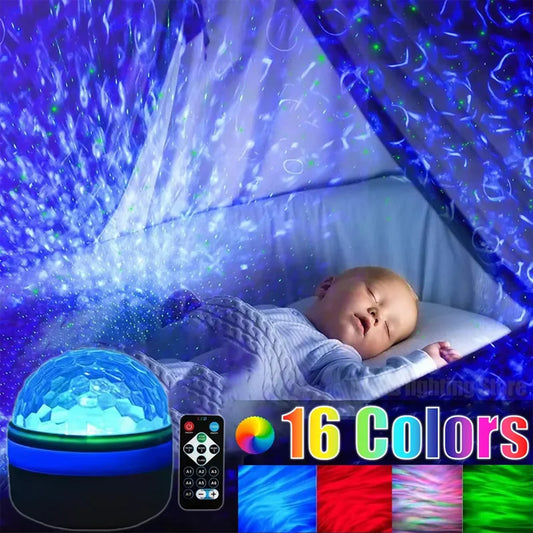

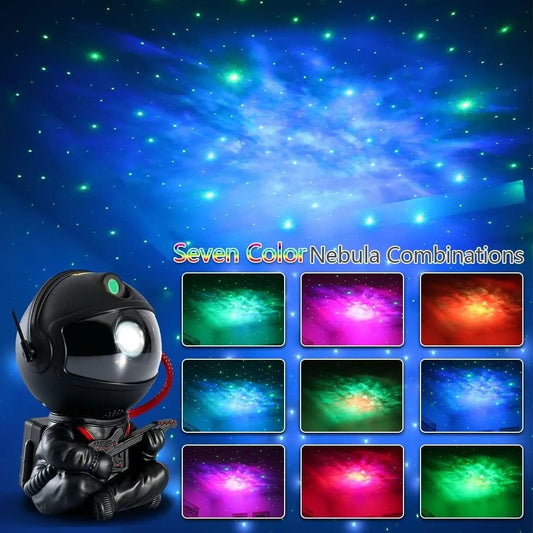

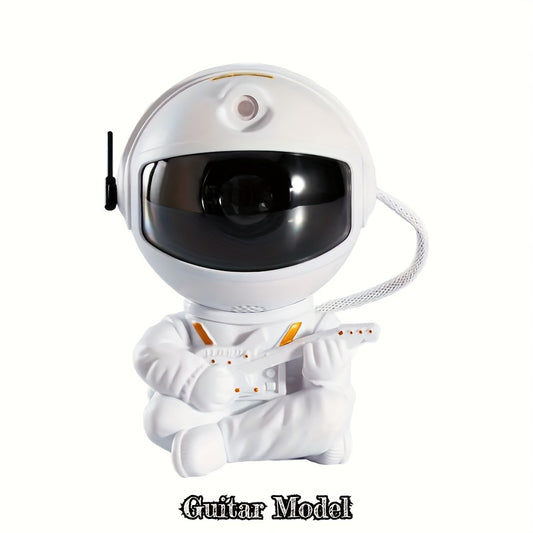



How to choose a star projector for kids
What works in a teenager's room isn't always right for a toddler. A child's projector should be simple to use, soft on the eyes and easy to place out of reach. Here's what matters most when you're choosing a baby night light projector or a star lamp for an older child.
Brightness and color
A child's night light should be dim. Look for adjustable brightness and soft color settings such as amber, pink or pale blue. Warm tones are generally considered easier on sleep than bright blue-white light, and fast color changes can be stimulating right when you want a child to wind down. Slow rotation soothes most kids, but it helps to be able to hold the pattern still.
Timers, controls and power
- An auto-off timer lets the stars fade out after your child falls asleep.
- Simple buttons or a remote so a parent can adjust it without waking anyone.
- Sound: some projectors add lullabies or white noise. See our sound machine projectors if you want light and sound in one.
- Power: USB and rechargeable models are easy to move between the nursery and a grandparent's house.
Safety in a nursery or child's room
Set the projector on a dresser or high shelf, never inside a crib or bassinet, and route cords so small hands can't pull on them. Don't let children look directly into the lens, especially on projectors that use a laser for the stars. If a night light runs on button or coin cell batteries, check that the battery cover is secure and keep spares well out of reach.
Space lights kids grow into
Toddlers usually love simple rotating star lamps. School-age kids often fall for astronaut projectors, which double as room decor, and older kids who are curious about space can learn real constellations with a home planetarium projector. A small moon night light is a sweet extra for the nightstand. For more ideas, read our bedtime and night light guides.
Frequently asked questions
Can I use a star projector in a baby's nursery?
Many parents do. The key is placement and brightness: keep the projector well out of reach and away from the crib, use the lowest setting, and point it at the ceiling rather than toward the baby. LED star lights are a gentler choice than laser models for a nursery.
What age is a star projector good for?
The right style changes as kids grow. Babies and toddlers do best with a soft, slow star lamp that a parent controls. Older children usually want to press the buttons themselves and may enjoy an astronaut figure or planetarium discs.
Should a child's night light stay on all night?
That's up to your family. Many parents use the projector to help with falling asleep and let a timer switch it off, then leave a very dim light on for night waking. If yours stays on, keep the brightness low and the colors warm.